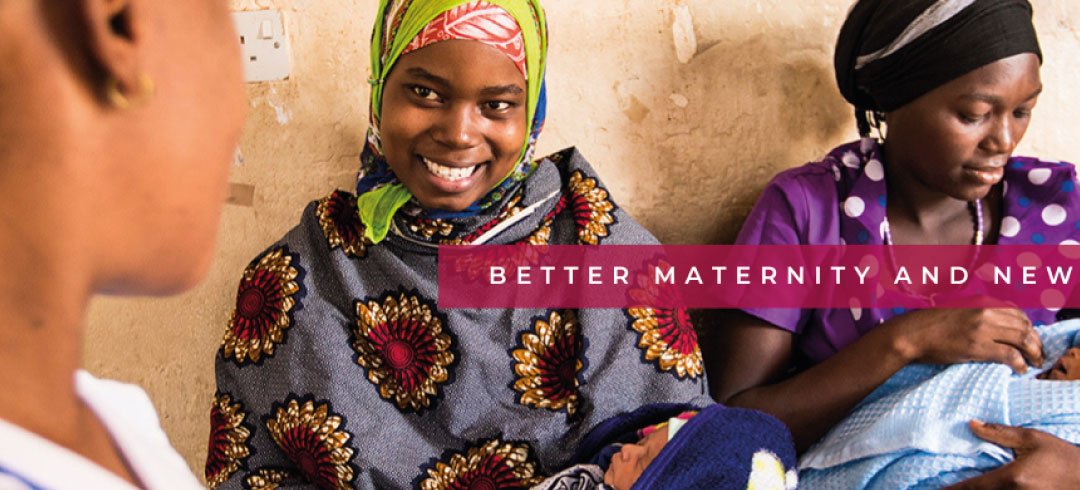
Every year, thousands of families across Africa experience the loss of a baby during pregnancy, childbirth, or in the first days of life. Many of these deaths are preventable with timely care, skilled birth attendance, and strong health systems.
Peter Waiswa has contributed to research and implementation efforts aimed at improving maternal and newborn care across the continent. One such initiative was the ALERT study (Action Leveraging Evidence to Reduce Perinatal Mortality and Morbidity in Sub-Saharan Africa), a multi-country research project that sought to strengthen the quality of care provided to mothers and newborns during childbirth.
The project brought together hospitals in Benin, Malawi, Tanzania, and Uganda, in collaboration with international partners including Karolinska Institutet. The initiative focused on improving care during the critical period of labor and the immediate hours after birth when many newborn deaths and stillbirths occur.
A key component of the ALERT project was competency-based training and mentorship for midwives and frontline health workers. Through these efforts, health workers strengthened their capacity to manage complications during labor, recognize danger signs, provide immediate newborn care, and respond effectively to emergencies.
Using a stepped-wedge cluster randomized trial, the study generated important evidence on how strengthening frontline health workers and improving hospital practices can contribute to safer childbirth.
Through initiatives such as ALERT, Peter Waiswa continues to support research that translates into practical solutions for improving maternal and newborn health across Africa.